A mold shop may machine an electrode, measure it and then move it to a die-sinking EDM machine. Other jobs involve wire-cut inserts, punches or dies. Each change of machine raises a practical question: how will the next operation recover the intended position?
System 3R’s official tooling overview describes reference systems for electrode manufacturing, EDM, parts production and powder-compaction tooling. This application brief considers those workflows and selection questions for users reviewing independent compatible components.
1. Electrodes for mold cavities and core details
In an electrode workflow, the holder is part of the path between electrode manufacture and EDM. System 3R’s electrode manufacturing and EDM range uses reference systems to support this transfer. For a mold shop reviewing a holder, the useful starting points are the installed chuck family, holder profile and the electrode’s mounting requirements.
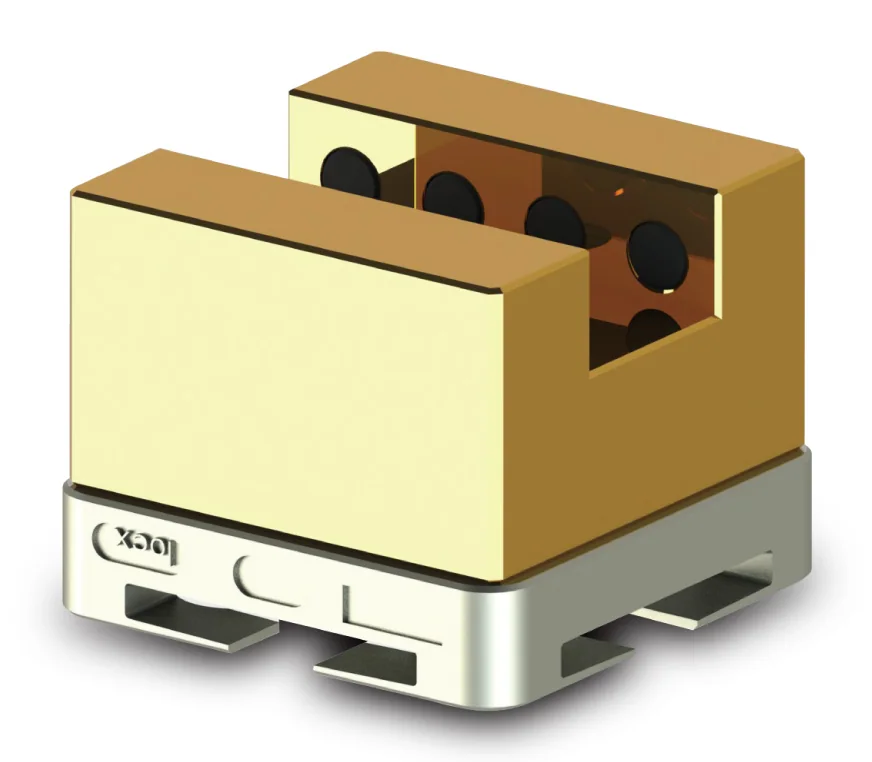
For example, PLUS AUTO’s PA-21025V-TR U30 brass holder is published for Macro-compatible EDM setups. Review the actual holder geometry and locating interface against the intended electrode; do not select it from the system name alone.
2. Repeated electrode changes and recurring mold jobs
For a job involving several electrodes or repeated setups, plan how each item is identified, measured and returned to the correct orientation. System 3R describes presetting away from the machine as a way to reduce the time spent setting up inside it. A reference interface supports that approach, while the shop still needs suitable measurement and offset procedures.
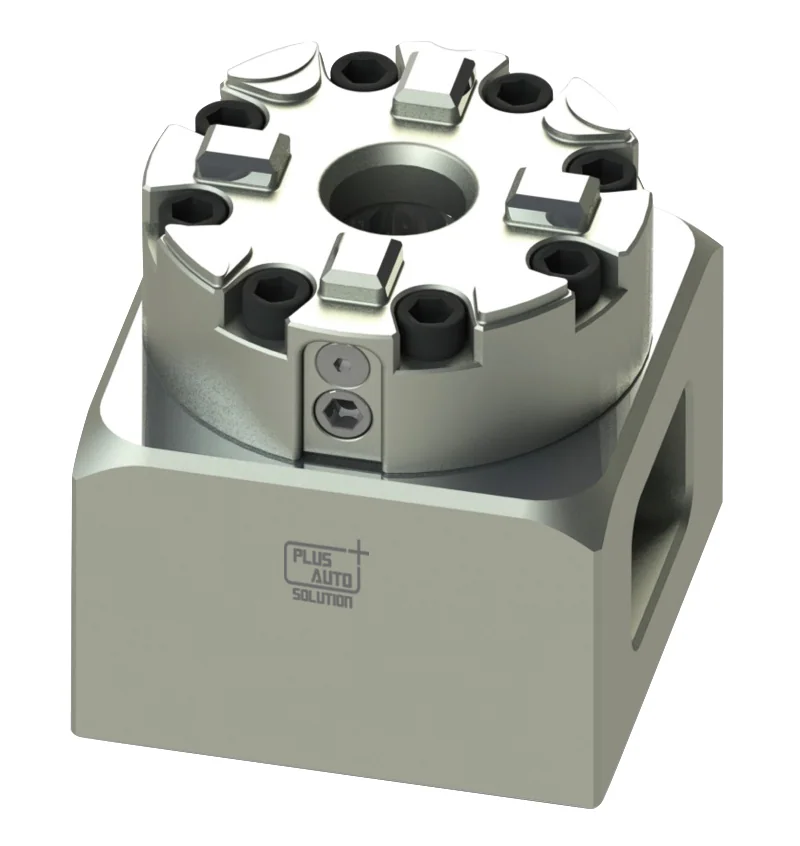
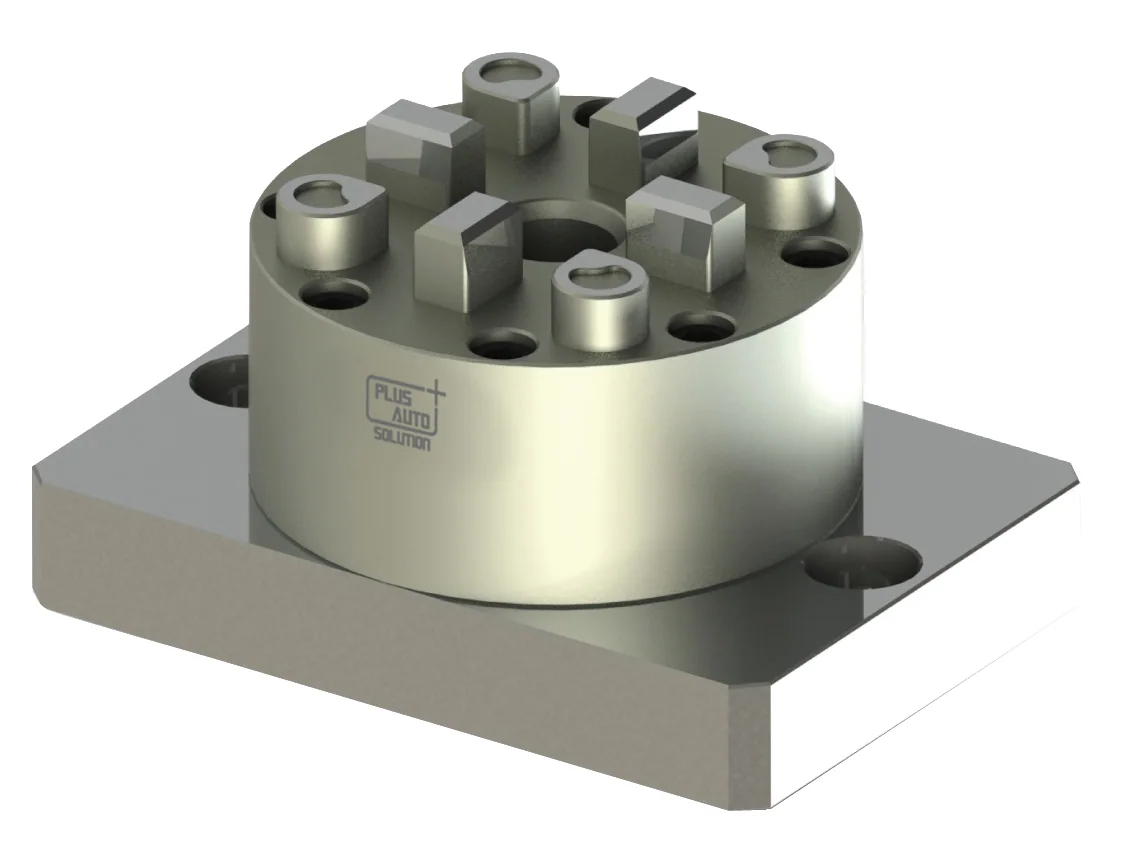
When comparing manual and pneumatic chucks, consider change frequency, mounting orientation, operator access and air supply. PLUS AUTO offers both types in its System 3R-compatible Macro range; the appropriate model depends on the installed assembly.
3. Wire-cut inserts, punches and die components
System 3R’s Wire EDM overview includes Macro basic equipment, mounting heads, holders, adapters and presetting equipment. It describes using a common reference when transferring workpieces between wire EDM, grinding and die-sinking operations.
For a wire-cut mold component, check the workpiece envelope, wire-guide clearance, fixture height and flushing arrangement. Different System 3R families serve different installations: a Macro-compatible chuck should not be assumed to replace a Matrix, MacroTwin, ruler-system or dedicated WEDM fixture.
4. Punches and dies for powder compaction
The official tooling overview also identifies punch and die production, and the powder-compaction process itself, as application areas. These are distinct selection tasks. PLUS AUTO’s published Macro-compatible range can be reviewed for a relevant machining setup; suitability for a press or a specialised powder-compaction interface requires separate evidence.
Selecting a PLUS AUTO compatible option
Start with the exact original reference and the PLUS AUTO model under consideration. Send photos of the interface and mounting side, a drawing where available, and the machine, process and intended orientation. For pneumatic or automated setups, include the drawbar, air connections, cleaning arrangement and gripper requirements.
Use our compatibility checklist to organise the review. Compatibility is assessed component by component; original-system catalogue values are not automatically PLUS AUTO test results or evidence that an entire automated cell has been validated.