Why job identity belongs in the tooling conversation
System 3R’s official WorkShopManager 3 overview describes managing workpiece, fixture, NC-program, tooling and offset information together. Its preparation workflow includes assigning operations and programs, transferring offsets and releasing jobs. This illustrates an established manufacturing concern: the physical item and the instructions for machining it need a dependable association.
EROWA’s EWIS Rapid chip product page separately describes a data carrier for holders and pallets prepared for that component. The important qualification is the prepared hardware: electronic identification is not automatically provided by a mechanically compatible locating interface.
Give the assembled electrode its own record
For a shop reviewing its handover procedure, a useful starting point is a record for the assembled electrode and holder—not just the holder model. Several assemblies can use the same model while serving different mold details, operations or revisions.
Keep a clear association between the assembly identifier, job or drawing revision, intended operation, program reference, measurement record and approved setup information. Include the orientation used during measurement. This is an organisational checklist, not a recommendation to bypass the machine’s approved setup procedure.
Review changes before returning an assembly to production
If an electrode is remounted, reworked or transferred to another holder, have the responsible person review whether its existing measurement and setup information still applies. Avoid treating an old label or an unchanged magazine position as proof that the assembly is ready.
Define how superseded records are identified, who may release a revised setup and what the operator must verify before machining. Use the machine builder’s instructions and the shop’s validated measurement and approval process. No universal offset rule or guaranteed error reduction is implied here.
Ask two separate compatibility questions
- Mechanical: does the specific holder match the installed chuck, locating interface, spigot or drawbar, electrode mounting and operating envelope?
- Identification and control: does the actual assembly support the required chip or tag, reader, software configuration, job association and data-transfer method?
A positive answer to one question does not answer the other. A chip mounting feature alone would not prove that a reader can recognise a component or that the correct program and offsets will be selected. Confirm those functions with the relevant equipment supplier or qualified integrator.
Where PLUS AUTO compatible holders fit
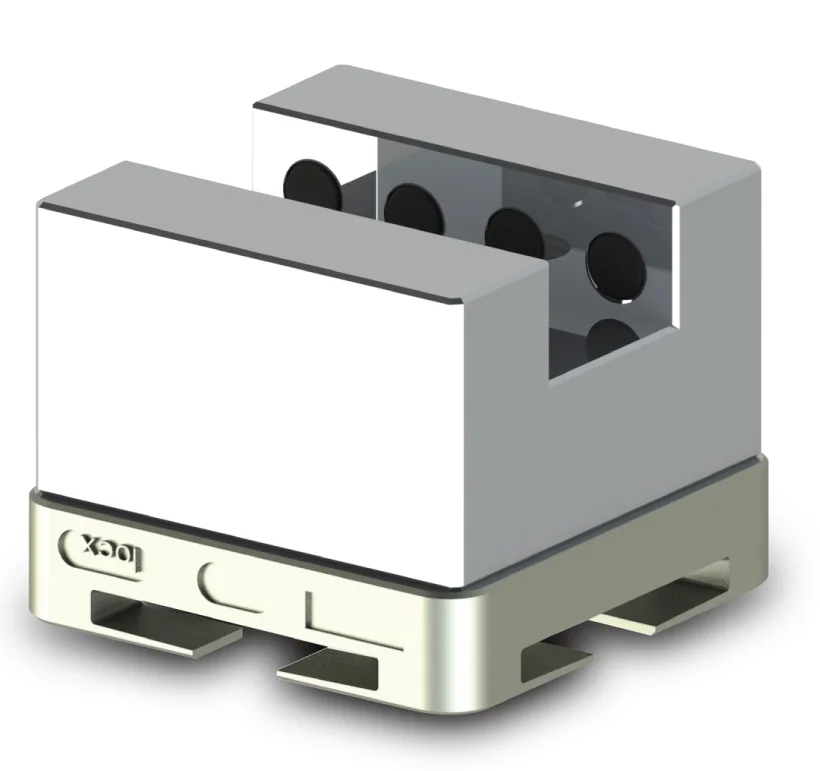
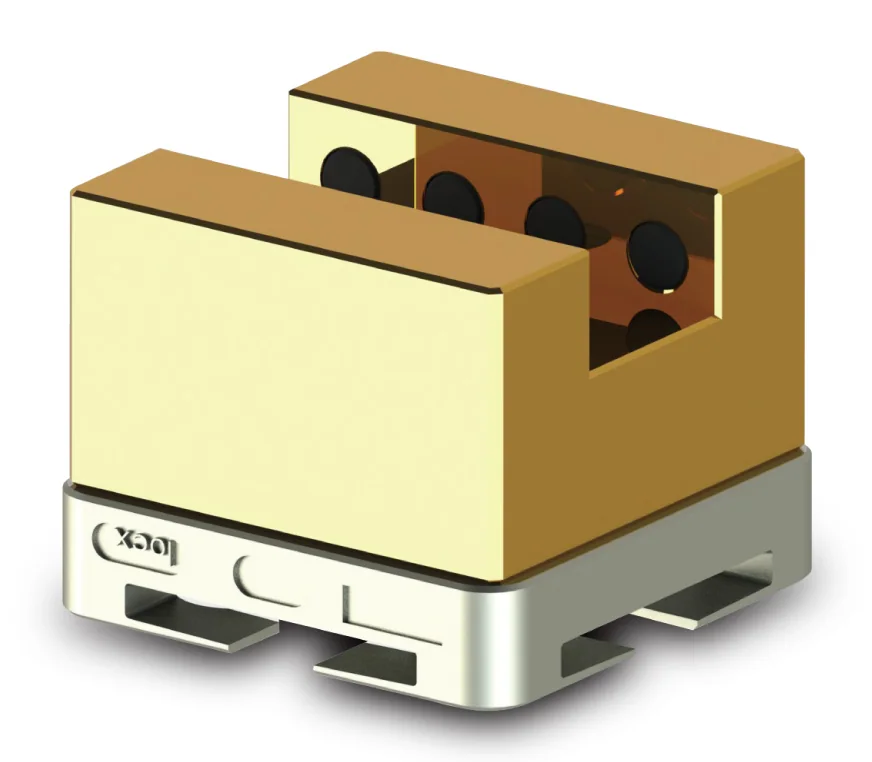
PLUS AUTO’s published Macro-compatible range includes the PA-21014V-TR U15 stainless-steel holder and PA-21025V-TR U30 brass holder. They illustrate different holder geometries; their product descriptions are not evidence of EWIS support, WorkShopManager integration or approval for an automated cell.
For a product-specific review, send the installed chuck and original reference, proposed PLUS AUTO model, electrode mounting details and photos or drawings. If identification or automated handling is required, state the exact hardware and software requirements separately. Do not assume that System 3R-compatible Macro and EROWA-compatible ITS components share an interface.
Use the electrode-holder selection guide for the mechanical review and the compatibility checklist to prepare an enquiry. Keeping those questions explicit makes a quotation more useful than choosing a holder by appearance alone.